Wellness is Survival
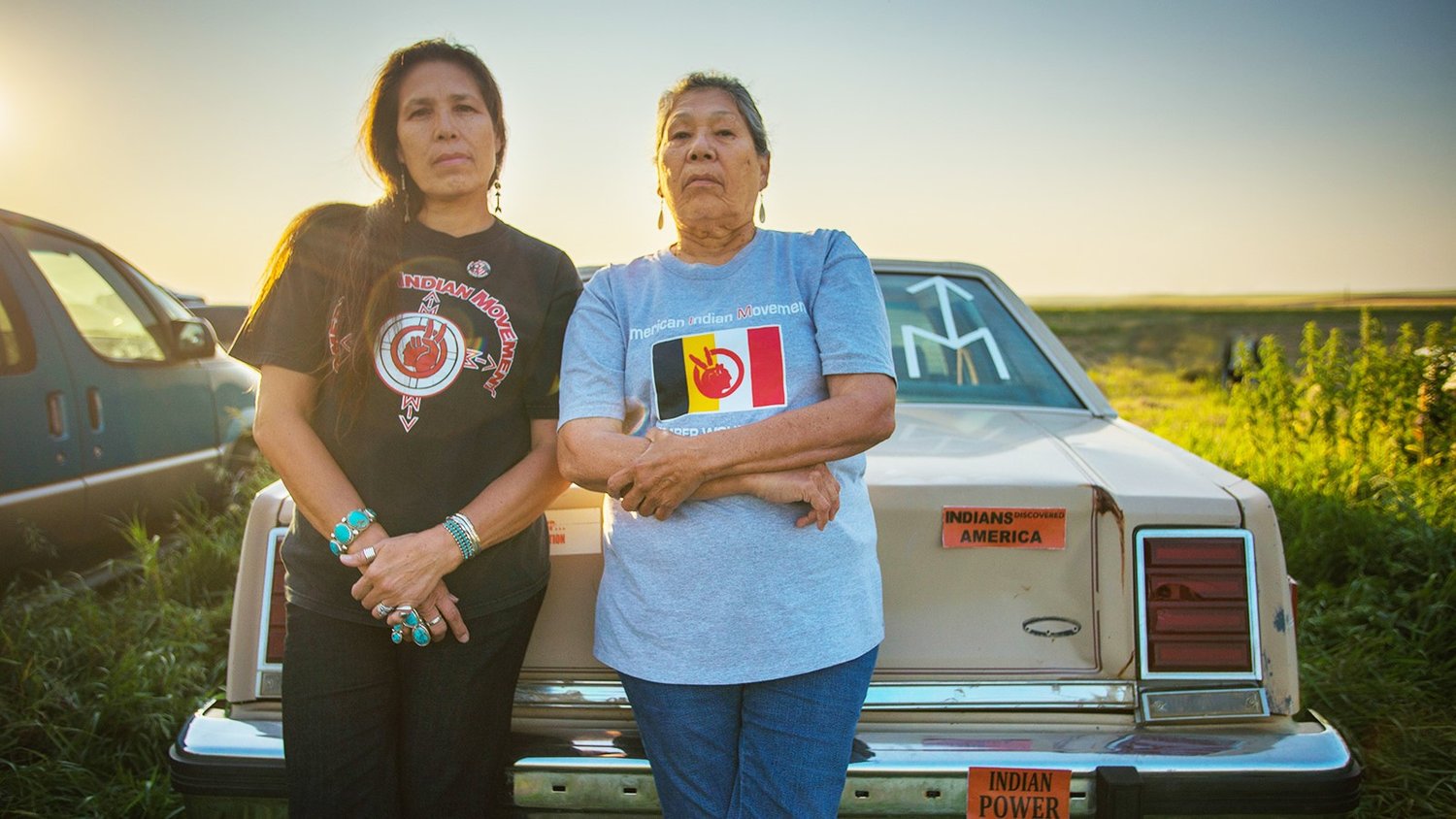
Matriarchy is grounded in the life and work of Marcella Gilbert, whose approach to health, movement, and nourishment is shaped by both formal education and lived Indigenous experience. Marcella holds a Master’s degree in Nutrition and was raised at the heart of Indigenous resistance as the daughter of Madonna Thunder Hawk, a prominent leader within the American Indian Movement. Growing up during the height of AIM, and attending the We Will Remember Survival School founded by Madonna Thunder Hawk, Marcella learned early that food, land, identity, and survival are inseparable — and that health is not only personal, but cultural, historical, and collective.

As a student at the We Will Remember Survival School, she was taught what was absent — and often intentionally erased — from mainstream education: treaty law, Indigenous governance, and the true historical record of Native nations.
The omission of Indigenous history from public education is not accidental. During this same period, Native people were commonly portrayed as “savages” in schools and media: reduced to caricatures of violence, superstition, and primitivism, stripped of complexity and humanity.
Through Indigenous-led education and oral history — supported by documented accounts long excluded from dominant narratives — Marcella learned a different truth. Indigenous nations were not only organized and sophisticated, but intellectually equal to their colonizers, with advanced systems of governance, diplomacy, science, and philosophy. These realities were not lost; they were deliberately ignored.
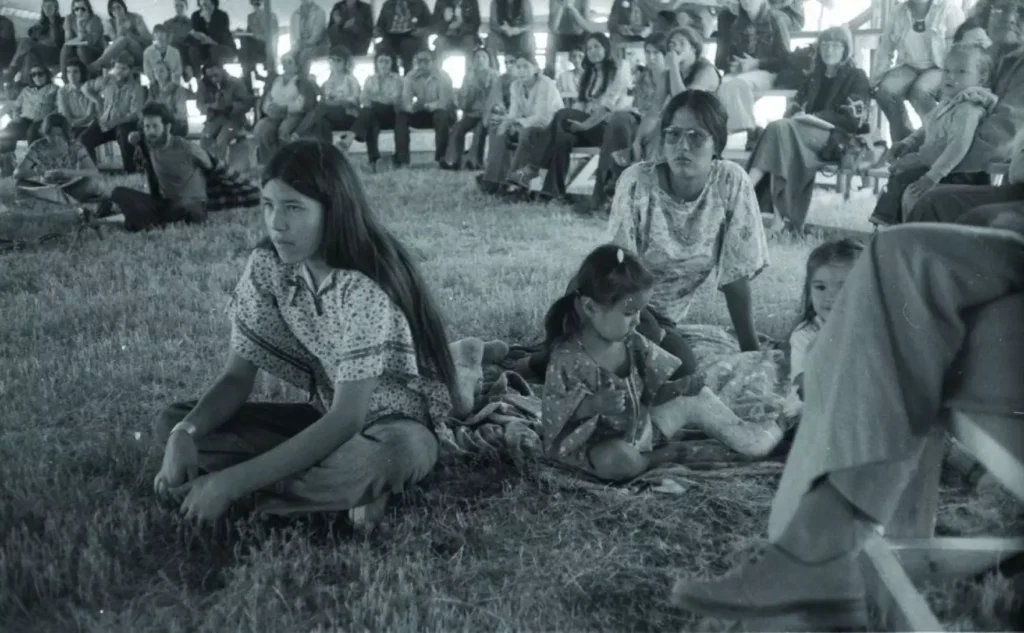

Marcella’s approach to nutrition is rooted in practice, not theory. She previously hosted nutrition camps for Indigenous youth focused on rebuilding a healthy relationship with food, movement, and knowledge. Participants learned how to read food labels, understand what is actually in their food, cook real meals, grow food, and reconnect with traditional Indigenous food systems.
Traditional foods and knowledge were taught not as nostalgia, but as living systems designed for health, balance, and longevity.
Movement was treated as equally essential. Each evening, after dinner, the youth walked together — one mile, every night. This simple practice reinforced a truth often overlooked: health is built through consistency, not intensity. Movement clears the mind, strengthens the body, and reinforces discipline without punishment.
At the core of this work is a simple belief: a better world cannot be built without better bodies. Real food and regular movement create clarity — physically, mentally, and emotionally. A healthier body supports a healthier mind, and a healthier mind is better equipped to protect community, culture, and future generations.